Qiran
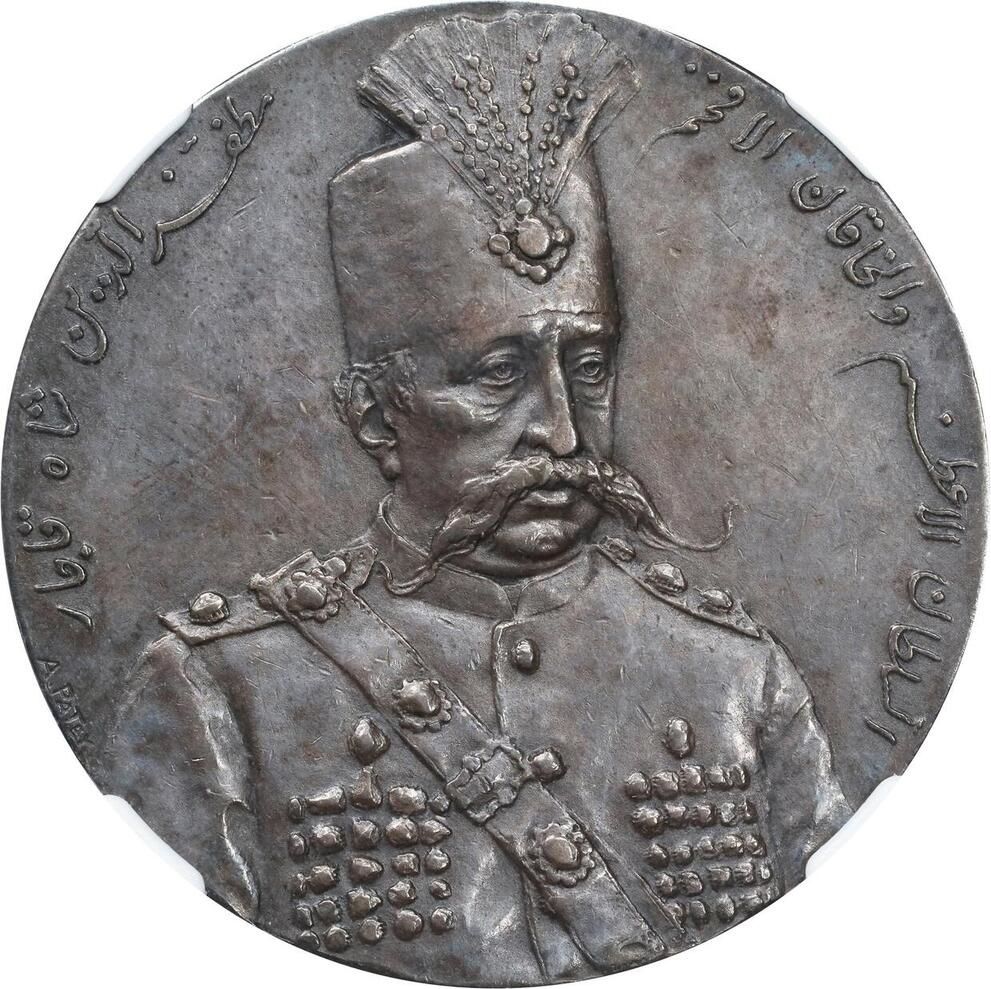
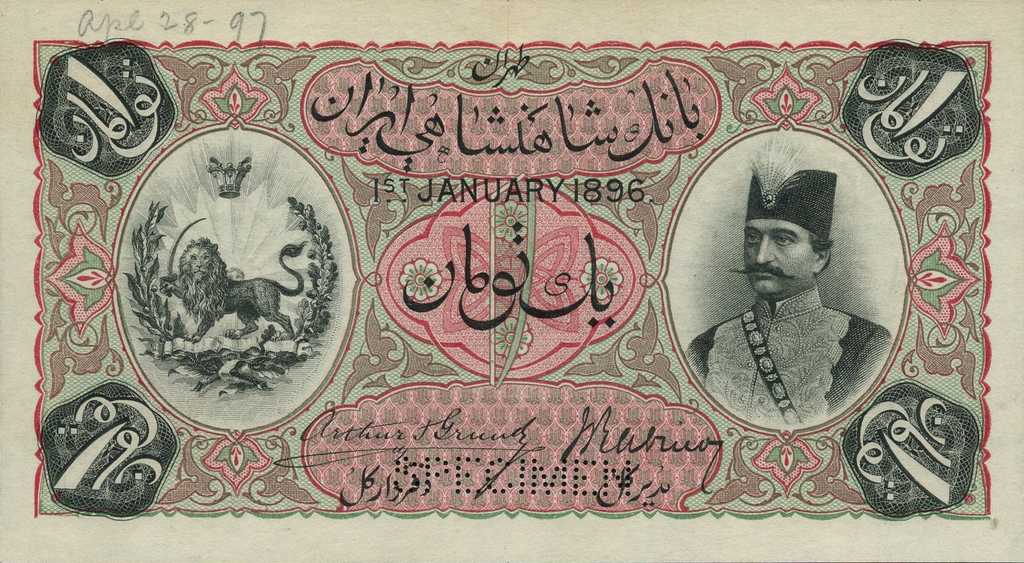
During Iran’s Qiran era (1825–1932), the country’s monetary system bridged traditional precious-metal coinage and the emergence of modern paper currency. Ten qirans equaled one toman, making the silver 5-qiran coin worth half a toman. By the late Qajar period, the Imperial Bank of Persia was issuing paper notes denominated in tomans, including 1-, 5-, and 20-toman notes. These banknotes, bearing royal portraits, the Lion and Sun emblem, Persian inscriptions, government seals, and English text, illustrate a major transformation in Iranian economic life: money was gradually shifting from metal whose value was closely associated with its material to standardized paper currency backed by a banking institution.