Science / Technology
Anousheh Ansari
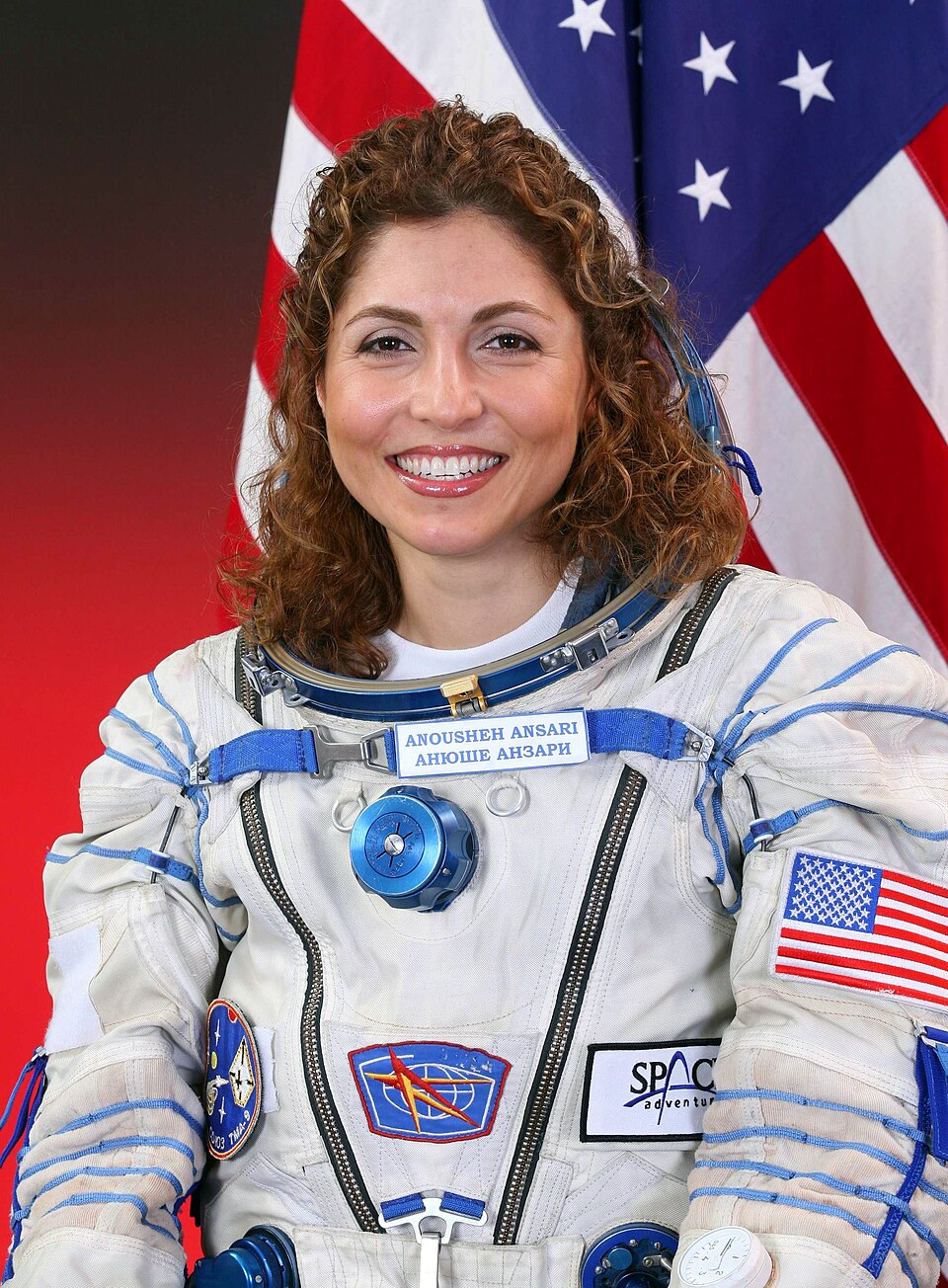
Anousheh Ansari represents the spirit of perseverance and innovation that has defined many members of the Persian American community. After arriving in the United States as a teenager during a time of upheaval in her homeland, she built a life through education, determination, and entrepreneurial vision. Studying electrical engineering and computer science in Virginia, Ansari entered the rapidly changing American technology sector and co-founded Telecom Technologies, a company that helped advance next-generation telecommunications systems in the United States. Her success as a technology entrepreneur reflected the broader story of many Persian Americans who, despite displacement and cultural adjustment, contributed to the country’s innovation economy.
In 2006, Ansari achieved a historic milestone when she became the first person of Persian heritage to travel to space and the first self-funded woman to visit the International Space Station. Her journey was not only a personal achievement but also a symbolic moment for the Persian American community, demonstrating that members of this ethnic community were participating at the highest levels of science, entrepreneurship, and exploration in the United States. Through her leadership in organizations such as the XPRIZE Foundation and her continued advocacy for technological progress and space exploration, Ansari has inspired younger generations—especially women and immigrant families—to pursue ambitious dreams in science and engineering. Her story stands as a testament to how Persian Americans have overcome obstacles, embraced opportunity, and helped expand the horizons of American achievement.
Ali Javan
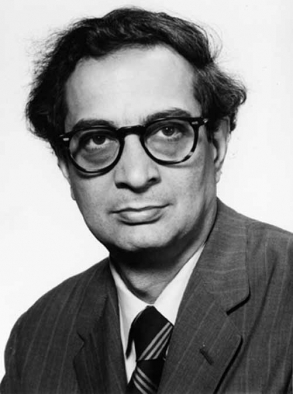
Ali Javan was a pioneering physicist whose work helped shape the foundations of modern laser technology in the United States. Born in Tehran and later pursuing advanced study in America, Javan earned his doctorate at Columbia University under Nobel laureate Charles H. Townes. In 1958 he joined Bell Telephone Laboratories, where he proposed the concept of the gas laser—an idea that would transform fields ranging from telecommunications to scientific research. In 1960, working with colleagues, Javan demonstrated the first continuously operating helium-neon laser, a breakthrough that quickly found applications in American industry and science.
Javan later continued his work at Massachusetts Institute of Technology, where he spent decades advancing optical physics, spectroscopy, and laser stabilization techniques. His innovations helped enable technologies now central to everyday life, including fiber-optic communications and precision measurement systems. As a Persian American scientist, Javan’s achievements reflected both intellectual brilliance and the determination required to succeed in a demanding scientific environment far from his birthplace. His career illustrates how members of the Persian American community have overcome barriers, contributed to the advancement of American science, and expanded the frontiers of human knowledge.
Lotfi A. Zadeh
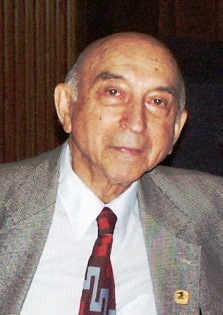
Lotfi A. Zadeh was one of the most influential mathematicians and computer scientists of the twentieth century, whose work helped shape modern artificial intelligence. After growing up in Tehran and studying engineering at the University of Tehran, Zadeh moved to the United States during World War II to continue his education. He earned an advanced degree from Massachusetts Institute of Technology and later built his academic career in America, eventually becoming a long-time professor at University of California, Berkeley. In 1965, he introduced the concept of fuzzy logic, a revolutionary framework that allowed computers and control systems to reason with uncertainty rather than rigid true-or-false rules.
Zadeh’s ideas transformed multiple fields, including artificial intelligence, engineering, and decision science, and today fuzzy logic is widely used in technologies ranging from consumer electronics to industrial automation. As a Persian American scholar working at the forefront of American scientific research, Zadeh demonstrated how intellectual curiosity and perseverance could overcome cultural and geographic barriers. His contributions helped place members of the Persian American community among the pioneers shaping the technological future of the United States, while inspiring generations of students to pursue innovation in science and engineering.
Firouz Naderi
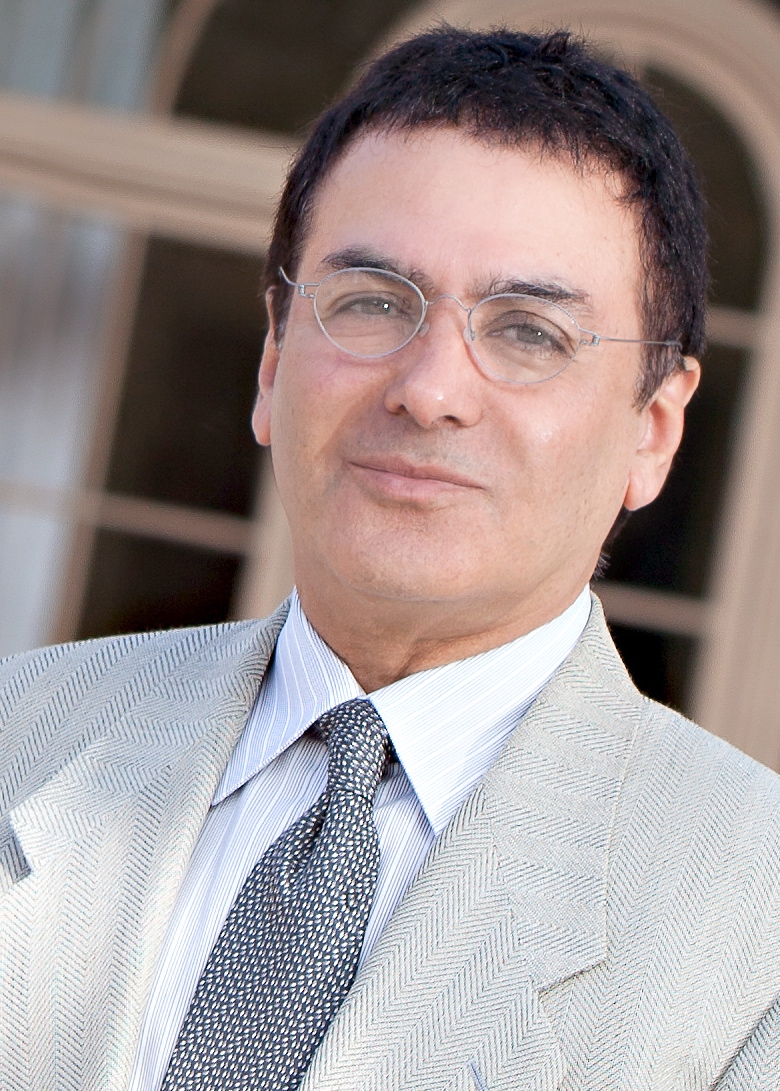
Firouz Naderi was a Persian American scientist whose career helped advance the United States’ exploration of space. Born in Shiraz and arriving in America as a young student, Naderi pursued engineering studies at Iowa State University and later earned his master’s and doctoral degrees at University of Southern California. In 1979, he began his career at NASA Jet Propulsion Laboratory, where he would spend more than three decades contributing to some of the most important robotic space missions in the United States space program.
Over the course of his 36-year career at JPL, Naderi rose from a communications engineer to senior leadership roles overseeing major scientific and planetary exploration programs. His work included the development of satellite communication systems, Earth observation missions, and projects designed to search for planets beyond our solar system. For his leadership in managing complex scientific missions, he received the NASA Outstanding Leadership Medal. Naderi’s achievements illustrate how members of the Persian American community have overcome displacement and uncertainty to become leaders in American science and technology. Through his contributions to the nation’s space program, he helped expand humanity’s understanding of the universe while representing the perseverance and intellectual strength of Persian Americans.