Hostage Crisis
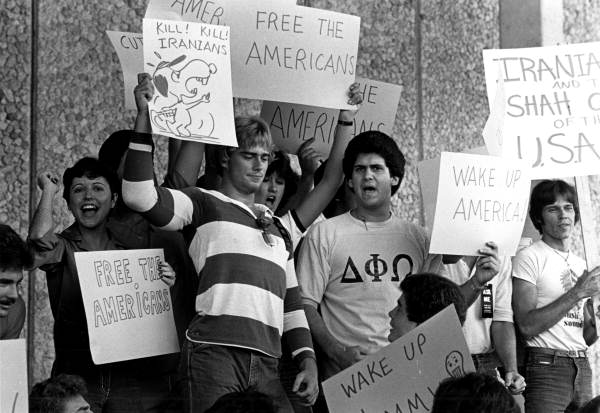
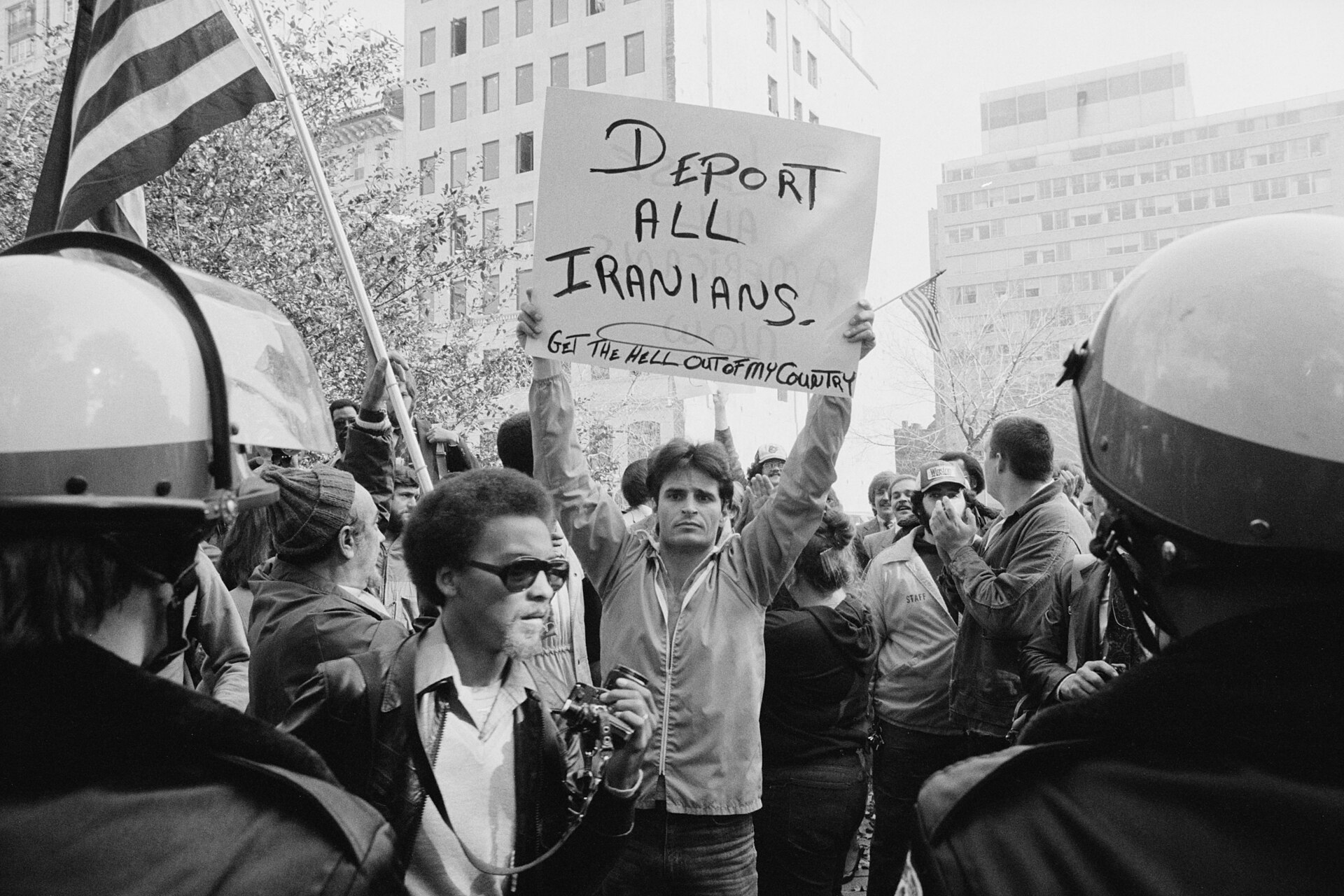
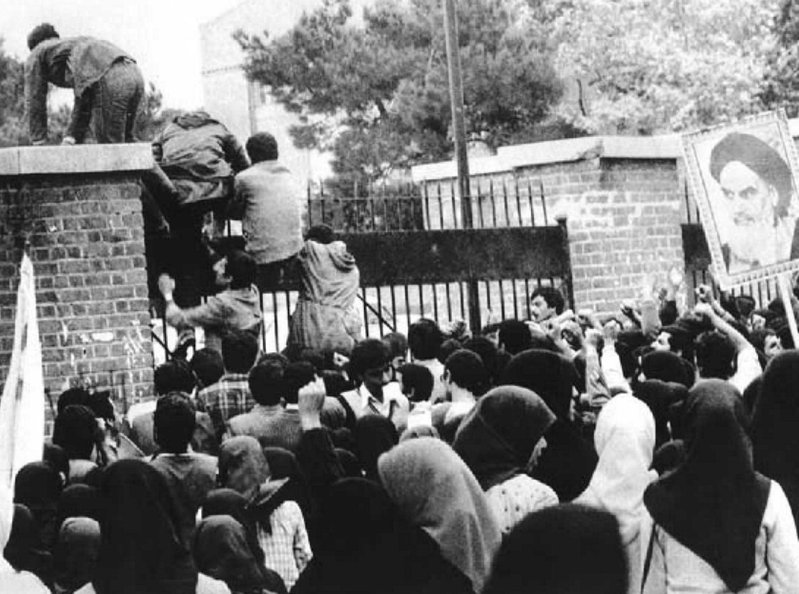
On November 4, 1979, Iranian students seized the U.S. embassy in Tehran and took dozens of American diplomats hostage, beginning what became the Iran Hostage Crisis. The takeover followed months of tension after the Iranian Revolution and the decision by U.S. President Jimmy Carter to allow Iran’s former monarch, Mohammad Reza Pahlavi, to enter the United States for medical treatment. Fifty-two American diplomats were ultimately held for 444 days, and the crisis dominated American news and politics until their release in January 1981.
For Iranians living in the United States, the crisis brought fear and hardship. Many Persian Americans faced harassment, threats, and suspicion simply because of their background. Iranian students were questioned by authorities, and communities across the country experienced hostility during a time of intense public anger. For many families, the crisis became a defining moment that reshaped identity, as immigrants increasingly described themselves as Persian Americans, seeking to preserve their culture while navigating a difficult period in American society.
Photo sources
Embassy takeover photograph
PBS American Experience, Students and the Iran Hostage Crisis.
https://www.pbs.org/wgbh/americanexperience/features/students-iran-hostage-crisis/
Anti-Iran protest photograph
Image Number PR23336. Photographed November 9, 1979.
Print Collections, Miami-Dade Community College (Kendall Campus), Metropolitan Dade County, Florida.
Black-and-white photoprint, 8 × 10 in. Subjects: Iran Hostage Crisis protests, student demonstrations, political posters.
https://www.floridamemory.com/items/show/15539
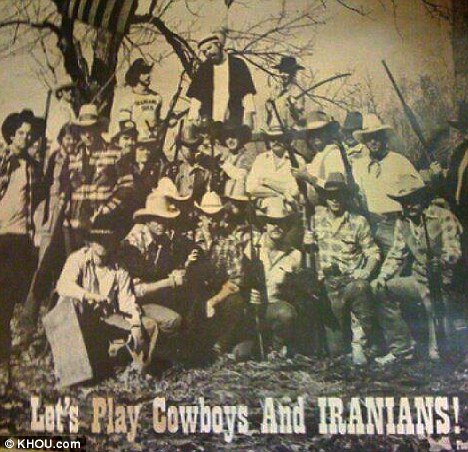
During the 1979 Iran hostage crisis, rising anger in the United States led to anti-Iranian demonstrations and hostility, including counter-protesters in Washington, D.C. holding signs calling for the deportation of Iranians from the country.